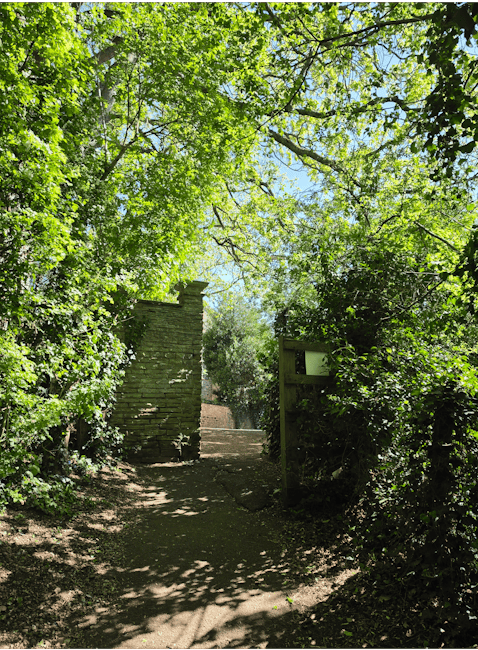
BR7 Gardeners Who Service Chislehurst Common and Caves: Local Garden Care for a Sensitive, Distinctive Area
If you live near Chislehurst Common or the caves, you already know the area has its own feel. Mature trees, uneven light, older boundaries, a bit of wildlife, a bit of weather exposure... and a garden that can go from tidy to tangled quicker than you expect. That is exactly why BR7 gardeners who service Chislehurst Common and caves need to be more than just "someone with a mower". They need local know-how, a careful touch, and a practical understanding of how gardens behave around a heritage-rich, green part of south-east London.
This guide explains what that kind of service usually includes, how to choose the right help, what to expect in terms of standards and safety, and how to get better results without wasting time or money. Whether you need regular maintenance, a one-off tidy-up, or support with a more established garden, the aim is simple: help you make a confident decision and keep the outdoor space looking its best.
For readers who want to explore the wider service picture as they read, it can also help to glance at the garden services overview and the company's about us page so you understand the approach behind the work.
Table of Contents
- Why BR7 gardeners who service Chislehurst Common and caves matters
- How BR7 gardeners who service Chislehurst Common and caves works
- Key benefits and practical advantages
- Who this is for and when it makes sense
- Step-by-step guidance
- Expert tips for better results
- Common mistakes to avoid
- Tools, resources and recommendations
- Law, compliance, standards, or best practice
- Options, methods, or comparison table
- Case study or real-world example
- Practical checklist
- Conclusion
- Frequently asked questions
Why BR7 Gardeners Who Service Chislehurst Common and Caves Matters
Chislehurst Common and the surrounding BR7 streets are not the sort of places where garden care is purely decorative. Gardens here often sit beside older homes, mature planting, hedges that have been there a long time, and microclimates created by trees, slopes, fences, brick walls, and shaded corners. In plain English: what works in a newer, open estate garden may not work here.
That matters because local gardens often need a gardener who can read the space properly. A lawn that looks "a bit tired" may actually be struggling because of low light and compacted soil. A hedge that seems overgrown may need a careful reduction rather than an aggressive cut. And if you live close to the common, falling leaves, bird activity, damp patches, and seasonal growth can all influence the maintenance rhythm. Truth be told, a one-size-fits-all approach tends to leave money on the table and the garden still looking half-finished.
There is also a practical trust angle. Homeowners usually want someone who can turn up on time, work safely, and leave the place tidy. That sounds basic, but it is often what separates a decent experience from a frustrating one. Good local gardeners understand that customers are not just paying for labour; they are paying for judgement, consistency, and a result that fits the property rather than fighting against it.
Expert summary: If your garden sits in a shaded, established, or wildlife-rich part of BR7, local experience matters because the right maintenance style is often about restraint, timing, and detail rather than brute force.
For anyone comparing providers, it is worth checking how clearly they explain their services and standards on pages like services overview, insurance and safety, and health and safety policy. Those pages help set expectations before anyone steps into your garden.
How BR7 Gardeners Who Service Chislehurst Common and Caves Works
In practical terms, this kind of service usually starts with a site review. That might be a quick chat at the gate, a walk-through of the garden, or a photo-based estimate if the job is straightforward. A thoughtful gardener will want to know what is causing the issue, not just what the visible symptom is. For example, a patchy border may be down to shade, root competition, drainage, or all three.
From there, the work is normally broken into manageable tasks. That could include mowing, edging, hedge trimming, pruning, weeding, leaf clearance, border tidying, jet-wash-adjacent careful clearing where appropriate, green waste removal, or seasonal planting. If the garden needs more specialist attention, the job may be split into phases so the space is not overworked in one go. That is often the sensible route, especially with established gardens.
Good BR7 gardeners also work around access and timing. Near Chislehurst Common, parking, narrow side access, and neighbour sensitivity can all affect how a job is planned. Nobody wants bins blocked, debris left out overnight, or a hedge job that rattles on longer than expected. The best crews keep the process calm and tidy. Not glamorous, but very welcome.
There is also the matter of communication. A clear service should tell you what is included, what is not, how often the garden should be visited, and what happens if weather intervenes. In London, that last point is no small thing. A wet week can alter lawn cuts, pruning windows, and even the order of tasks. A reliable gardener will explain that before it becomes a problem.
A simple example of a typical visit
Imagine a front garden that has become a little scruffy after autumn. A sensible visit might start with leaf clearing, then hedge shaping, then edging the lawn, then a quick check of the borders for invasive growth and hidden debris. If the soil is waterlogged, the gardener may avoid heavy foot traffic in the worst patches. That sort of judgement matters more than most people realise.
Key Benefits and Practical Advantages
Working with experienced BR7 gardeners who know the Chislehurst Common and caves area can save time, reduce stress, and improve the long-term condition of the garden. The benefit is not only a neat finish on the day. It is also better growth, fewer avoidable mistakes, and a space that stays more manageable between visits.
- Local plant and soil awareness: gardens in this area often deal with shade, leaf fall, moisture retention, and mature roots.
- Better timing: pruning, cutting, and feeding are handled in a way that suits seasonal conditions rather than a rigid calendar.
- Cleaner presentation: edges, borders, and paths tend to be finished properly, which makes a surprising difference.
- Safer maintenance: stable ladders, careful use of tools, and respectful working practices reduce risk.
- Less wasted effort: work is targeted at the real problem rather than just making the garden look tidy for a day.
There is also a quieter benefit: peace of mind. If your garden is visible from the road or used by family, pets, or guests, you probably want to know it will stay presentable without constant chasing. That sort of reliability is worth a lot, especially when life is busy and the weather keeps doing what it wants.
For residents comparing value, pricing and quotes can help set expectations around what a proper quote should cover. It is always better when costs are explained clearly and not hidden behind vague promises.
Who This Is For and When It Makes Sense
This service makes sense for a wide range of people, not just those with large gardens. In fact, some of the most demanding outdoor spaces are modest ones with awkward layouts, lots of shade, or older planting that needs a careful hand.
It is a good fit if you:
- live near Chislehurst Common and want a gardener who understands the local environment
- have a mature garden that needs regular maintenance rather than a one-off tidy
- want seasonal help with pruning, leaf clearance, or border management
- are preparing a property for sale or letting and need the outside to look cared for
- struggle to keep up with mowing, weeding, or hedge trimming
- prefer a professional who can work neatly around access, neighbours, and existing planting
It also makes sense after a spell of bad weather, following a long period of neglect, or when a garden has started to look uneven and tired. Let's face it, once a space gets away from you, it rarely bounces back with one quick cut. Sometimes it needs a proper reset.
People often ask whether they need regular visits or just occasional help. The honest answer depends on the garden. A small, easy plot may only need periodic attention, while a shaded, leaf-heavy space near mature trees may benefit from more frequent care. If you are unsure, a conversation with the team through the contact us page is usually the easiest way to gauge what level of support fits your garden.
Step-by-Step Guidance
If you are booking gardeners for the first time, a structured approach helps avoid confusion. Here is a practical way to think about the process.
- Walk the garden first. Note the problem areas, the sunny and shaded spots, and anything fragile or established.
- Decide what outcome you want. Neat and low-maintenance? A seasonal refresh? A full reset? Be specific.
- Ask what is included. Clarify mowing, hedge work, waste removal, border work, and follow-up.
- Check access and practicalities. Gates, parking, water points, pets, and neighbour arrangements can all affect the visit.
- Get the quote in writing. A proper quote should explain the scope clearly so nobody is guessing later.
- Agree timing. Weekly, fortnightly, monthly, or one-off; each has a different fit.
- Review the finish. After the first visit, look at edging, cleanliness, and whether the result matches what you asked for.
A small but important point: good gardeners appreciate clear instructions. Not overly long ones, just sensible ones. "Please avoid the herbaceous border on the left" is helpful. A vague "tidy everything" can work, but it may not produce the exact result you had in mind.
If sustainability matters to you, you may also want to ask how cuttings and green waste are handled. The company's recycling and sustainability page is worth reviewing if you care about responsible disposal and lower-waste habits.
Expert Tips for Better Results
The better the brief, the better the garden. That sounds obvious, but honestly it saves a lot of back-and-forth.
- Start with the least destructive solution. In older gardens, it is often better to prune, thin, or reshape than to strip everything back.
- Book before peak growth or leaf fall if possible. Around Chislehurst, timing can matter as much as the task itself.
- Keep a short maintenance list. One list for "must do", one for "nice to do" keeps jobs realistic.
- Leave room for seasonal change. Gardens are living systems, not static outdoor rooms.
- Use photos if needed. A quick photo of a messy border or awkward hedge line can make the quote process faster and clearer.
- Ask for the rationale. A good gardener should be able to explain why a task is being done a certain way.
Here is a simple observation from real garden work: a neat cut that ignores the plant's natural shape often looks worse a month later. A more considered trim can take a little longer and look far better for longer. You will notice that difference around the edges, where the work is either quietly excellent or just... fine.
Also, if your property has a lot of shade from mature trees around the common, do not expect the lawn to behave like a suburban showpiece. That does not mean failure. It means the maintenance strategy should be adjusted to the site, which is what experienced local gardeners should be doing anyway.
Common Mistakes to Avoid
Most garden problems are not dramatic; they are accumulations of small missteps. A bit too much cutting here, a missed season there, and suddenly the whole place feels harder to manage.
- Choosing purely on price. The cheapest quote can be expensive if the work is rushed or incomplete.
- Assuming all gardens need the same treatment. A sunny patio border and a damp, shaded lawn do not want the same care.
- Over-pruning established shrubs. Once a shrub is cut too hard, recovery can be slow and ugly.
- Ignoring waste removal. A tidy cut is only half the job if the clippings are left behind.
- Skipping safety checks. Tools, ladders, and access routes should be handled properly, not improvised.
- Waiting until the garden is out of control. Small regular visits often cost less than major catch-up work.
Another common mistake is not being honest about expectations. If you want a low-maintenance look, say so. If you care about wildlife-friendly edges, say that too. Otherwise the gardener is left guessing, and that is where little disappointments creep in. Nothing catastrophic, just annoying enough to matter.
Tools, Resources and Recommendations
A professional gardener working in BR7 should bring the right tools for the job and the judgement to use them sensibly. You do not need to know every blade and attachment, but it helps to understand the basics so you know what good practice looks like.
| Task | Typical tools or methods | What good practice looks like |
|---|---|---|
| Grass cutting | Mower, edging tools, strimmer where suitable | Even finish, clean edges, no scalping on uneven ground |
| Hedge trimming | Hand shears or hedge trimmer | Balanced shape, careful handling around nesting or fragile growth |
| Pruning | Secateurs, loppers, pruning saw | Clean cuts, species-aware timing, no overcutting |
| Weeding and border care | Hand tools, mulch, selective removal | Roots removed where needed, soil left tidy, minimal disturbance |
| Leaf clearance | Rakes, blowers where appropriate, sacks | Paths made safe, drainage not blocked, debris removed |
Useful "resources" in the practical sense are really about clarity. A good quote process, a clear service outline, and honest communication do more for you than any fancy equipment pitch. If payment setup matters to you, the payment and security page can help you understand how transactions are handled. That kind of reassurance is no small thing when you are inviting a service provider onto your property.
It is also worth checking how a company presents its standards and customer care. Pages such as terms and conditions and complaints procedure are not glamorous reads, I know, but they tell you whether the business has thought through accountability. Often, that is where the real professionalism shows.
Law, Compliance, Standards, or Best Practice
For domestic gardening work, the most relevant point is not legal jargon; it is whether the work is carried out safely, responsibly, and with proper care for people and property. If a gardener uses machinery, handles waste, works at height, or carries out tasks that could present a risk, sensible health and safety practice should be part of the service, not an afterthought.
In the UK, it is normal to expect public liability insurance, safe working methods, and clear communication about any risks around access, tools, or weather conditions. You do not need a lecture on policy wording. You just need confidence that the person on site knows what they are doing and has thought things through. That is fair enough.
Best practice also includes respecting neighbours, avoiding unnecessary disturbance, and taking care around wildlife and nesting periods where relevant. Gardens near green spaces can support birds, insects, and small animals, so a light-touch approach is often smarter than a heavy-handed one. If debris is being removed, green waste should be managed responsibly too.
For a clearer picture of the company's working standards, the health and safety policy, insurance and safety, and recycling and sustainability pages are all sensible places to review. If accessibility is important in how you navigate services online, the accessibility statement is also there to help.
Options, Methods, or Comparison Table
Not every garden needs the same service model. The right option depends on how quickly the space grows, how visible it is, and how much you want to do yourself.
| Option | Best for | Pros | Watch-outs |
|---|---|---|---|
| One-off tidy-up | Overgrown or neglected spaces | Fast reset, visible improvement | May not prevent regrowth without follow-up |
| Regular maintenance | Busy households and established gardens | Steady appearance, easier budgeting | Needs consistency from both sides |
| Seasonal visits | Gardens that change with the year | Good for pruning, leaf fall, planting | Less control between visits |
| Targeted specialist work | Problem hedges, borders, or trees | Focused expertise | May need separate follow-up maintenance |
If you are unsure which route to choose, regular maintenance is often the easiest place to start. You can always scale up or down. And to be fair, many gardens in BR7 work best when the plan is adjusted after the first visit rather than forced into a rigid package from day one.
Case Study or Real-World Example
Here is a realistic example based on the sort of work often needed around Chislehurst Common. A homeowner has a medium-sized back garden with a mature hedge, a lawn that has thinned out in the shade, and borders that keep filling with leaf litter. Nothing dramatic, but enough to feel untidy all the time.
On the first visit, the gardener would likely focus on access, clearance, and the biggest visual wins. The hedge gets shaped carefully rather than hacked back. The lawn is cut at a sensible height rather than shaved too short. Leaves are cleared from paths and borders, and any awkward corners are tidied so water can drain more easily. The result is not a "new garden" by magic. It is simply a garden that looks cared for, which is usually what the homeowner wanted in the first place.
On the second or third visit, the work might shift. Maybe the gardener recommends a different mowing pattern, a lighter pruning routine, or seasonal border refreshes. Maybe the shady lawn needs accepting as a partial groundcover area rather than being pushed into a perfection it will never keep. That kind of honest advice is often the difference between short-term tidying and a garden that becomes easier to live with.
I remember one job where the front path smelled faintly of damp earth and box leaves after a wet morning cut. Not glamorous at all. But the owner came out, looked at the line of the hedge, and said the place finally felt "back under control". That is the real win. Quiet, practical, reassuring.
Practical Checklist
Use this before booking or reviewing work from BR7 gardeners who service Chislehurst Common and caves.
- Walk the garden and note the main problem areas
- Decide whether you need a one-off, seasonal, or regular visit
- Ask exactly what is included in the quote
- Check whether waste removal is part of the service
- Confirm access, parking, gates, and any pet concerns
- Ask how the gardener handles shade, mature planting, and seasonal timing
- Review insurance, safety, and working standards
- Be clear about the finish you want: neat, low-maintenance, wildlife-friendly, formal, or mixed
- Ask how changes will be handled if weather affects the job
- Agree a simple follow-up plan after the first visit
Quick tip: if a quote feels vague, ask for a clearer breakdown. A professional should not mind doing that. If they do mind, that tells you something useful too.
Conclusion
Choosing BR7 gardeners who service Chislehurst Common and caves is really about finding the right balance of local knowledge, reliability, and sensible garden care. The best outcome is not just a tidy space for today, but a garden that stays healthier, easier to manage, and more suited to its setting over time.
Near the common, gardens often need a softer, smarter approach than a generic cut-and-clear service. That means thoughtful timing, careful pruning, tidy finishes, and honest advice when a problem needs more than a quick fix. If you get that mix right, the whole property feels calmer. More welcoming, even. And that is worth quite a lot on a grey Tuesday when the borders are full of leaves and the lawn is damp again.
If you are ready to compare options or plan the next visit, start with the service details, ask clear questions, and look for a provider that explains its process well. A little clarity now saves a lot of faff later.
Get a free quote today and see how much you can save.
And if you want to understand the business side before you book, the pages for contact us, pricing and quotes, and about us are a sensible next stop.
Frequently Asked Questions
What do BR7 gardeners who service Chislehurst Common and caves usually do?
They typically handle routine garden maintenance such as mowing, edging, hedge trimming, pruning, weeding, leaf clearance, border care, and green waste removal. In this area, they may also need to work around mature trees, shaded lawns, and older planting schemes.
How often should a garden near Chislehurst Common be maintained?
It depends on the garden, but many properties benefit from fortnightly or monthly care during the growing season. Shadier, leaf-heavy gardens may need a slightly more responsive schedule. A good gardener will advise based on what the space actually needs.
Is a one-off garden tidy-up enough?
Sometimes, yes. A one-off tidy-up is useful after a period of neglect, before selling a property, or after seasonal leaf fall. But if the garden grows quickly or is difficult to maintain, regular visits usually keep it in better shape.
Do gardeners remove all the waste?
They should explain this clearly in the quote. Some services include waste removal, while others leave bagged waste for you to arrange. Always ask up front so there are no surprises at the end.
What should I ask before hiring a local gardener?
Ask what is included, how they handle safety, whether they carry insurance, how they manage waste, and whether they have experience with gardens like yours. It also helps to ask about timing if the garden has lots of shade or seasonal leaf drop.
Are gardeners in BR7 suitable for older or more delicate gardens?
Yes, if they work carefully and understand how to avoid over-pruning or disturbing established planting. Older gardens often need restraint, not aggressive cutting. That is especially true near mature trees and long-set borders.
How do I know if the quote is fair?
A fair quote should explain the work clearly and match the amount of time, labour, and waste handling involved. If the price is much lower than expected, check whether something important has been left out. Cheap and cheerful can turn into just cheap.
Can gardeners help with wildlife-friendly maintenance?
Yes. A thoughtful gardener can keep borders tidy while leaving space for pollinators and small wildlife where appropriate. That might mean cutting less hard in some areas, avoiding unnecessary disturbance, and timing work sensibly.
What if I only need help with hedges or lawns?
That is very common. Many homeowners book targeted help for one problem area, then decide later whether they want broader maintenance. You do not need to commit to a big package if your needs are simpler.
Should I choose a local BR7 gardener over a general London service?
Often, yes, if local understanding matters to you. A gardener who regularly works near Chislehurst Common is more likely to understand access, shading, mature planting, and the general rhythm of the area. That local familiarity can make a noticeable difference.
How do I prepare my garden before the first visit?
Clear access paths, move fragile items, note any locked gates or pets, and list the main jobs you want done. If there are areas to avoid, say so. A few minutes of preparation can make the whole visit smoother.
Where can I learn more about the company's working standards?
The most useful places are the pages covering insurance and safety, health and safety policy, payment and security, and recycling and sustainability. Those pages help you understand how the service is run and what standards to expect.
What is the best first step if my garden is badly overgrown?
Start with a clear conversation and a site review. Share photos if helpful, explain the outcome you want, and ask for a realistic plan. Overgrown gardens often need staged work, not a single heroic effort. And honestly, that is usually the better answer anyway.